Keep asking what better means.
Better for whom, and in what way? I revisit problems and assumptions, using people’s experiences and real feedback to clarify what we should aim for.
 chibiham/ developer & explorer
Build.Learn.Make it better.

A freelance developer based in Yokohama, Japan.
I've developed web applications since 2016 and worked independently since 2023.
My experience spans front-end, back-end, and infrastructure, from design to implementation and operations.
FIG.02HOW I WORK
Assumptions shift. What we need changes.
I value the agility to keep moving, learning and revisiting decisions along the way.
Better for whom, and in what way? I revisit problems and assumptions, using people’s experiences and real feedback to clarify what we should aim for.
I turn hypotheses into working software and learn from the response. Moving between design and implementation, I update decisions and use what I learn to improve the next iteration.
I think about boundaries that make the effects of change clear, and checks that let us make changes with confidence. I record the reasons behind decisions so the product and team can keep moving.
FIG.03WORKS / SPECIMENS
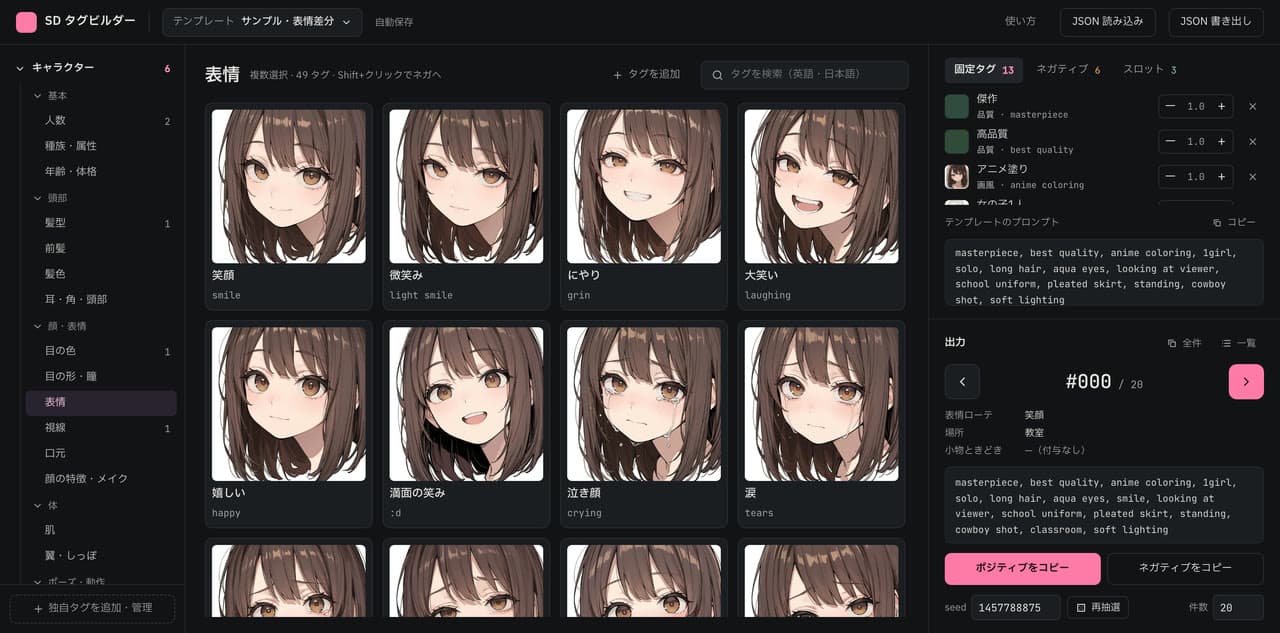
A tool for picking Stable Diffusion tags from sample images and generating consistent, numbered prompt series from templates and slots. Features seed-reproducible generation, 1,179 sample images rendered on a home ComfyUI server, fully local storage with IndexedDB, and zero-cost hosting as static assets on Cloudflare Workers.
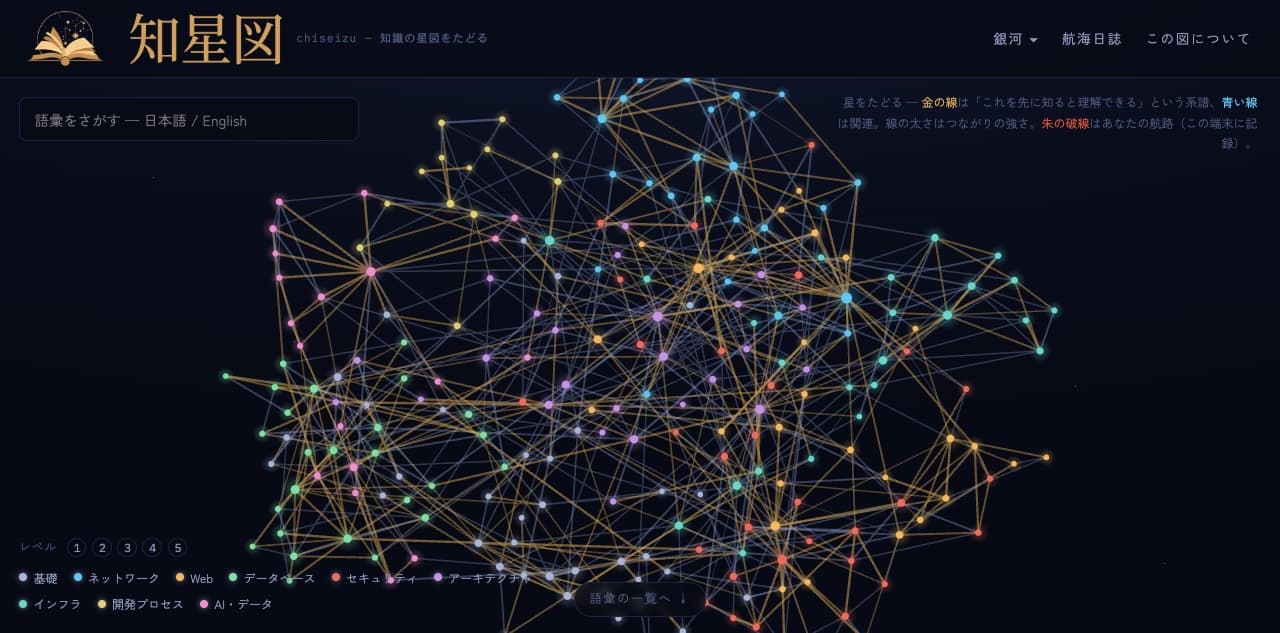
An interactive star-map site that connects technical vocabulary through the genealogy of "why it was born." Features a d3-force Canvas star map, Content-as-Code with MDX + Zod, 40+ interactive learning components, and zero-cost operation on Cloudflare Workers.
FIG.04JOURNAL / OBSERVATION LOG
Notes on the questions I encounter while designing and developing software.
FIG.05CONTACT
For work requests or inquiries about my independent apps and services.
Please include the details in the contact form.